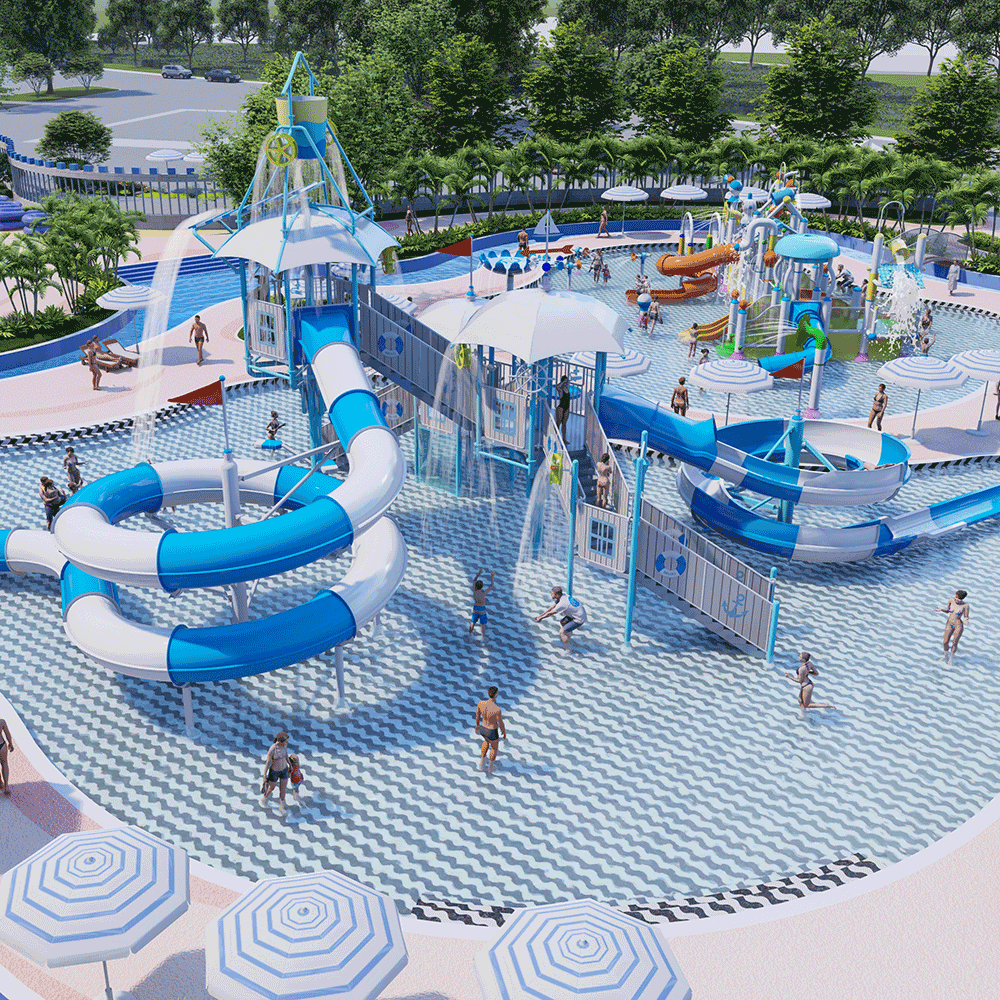
Ocean Series Water house With High-end Kids Combination Slides
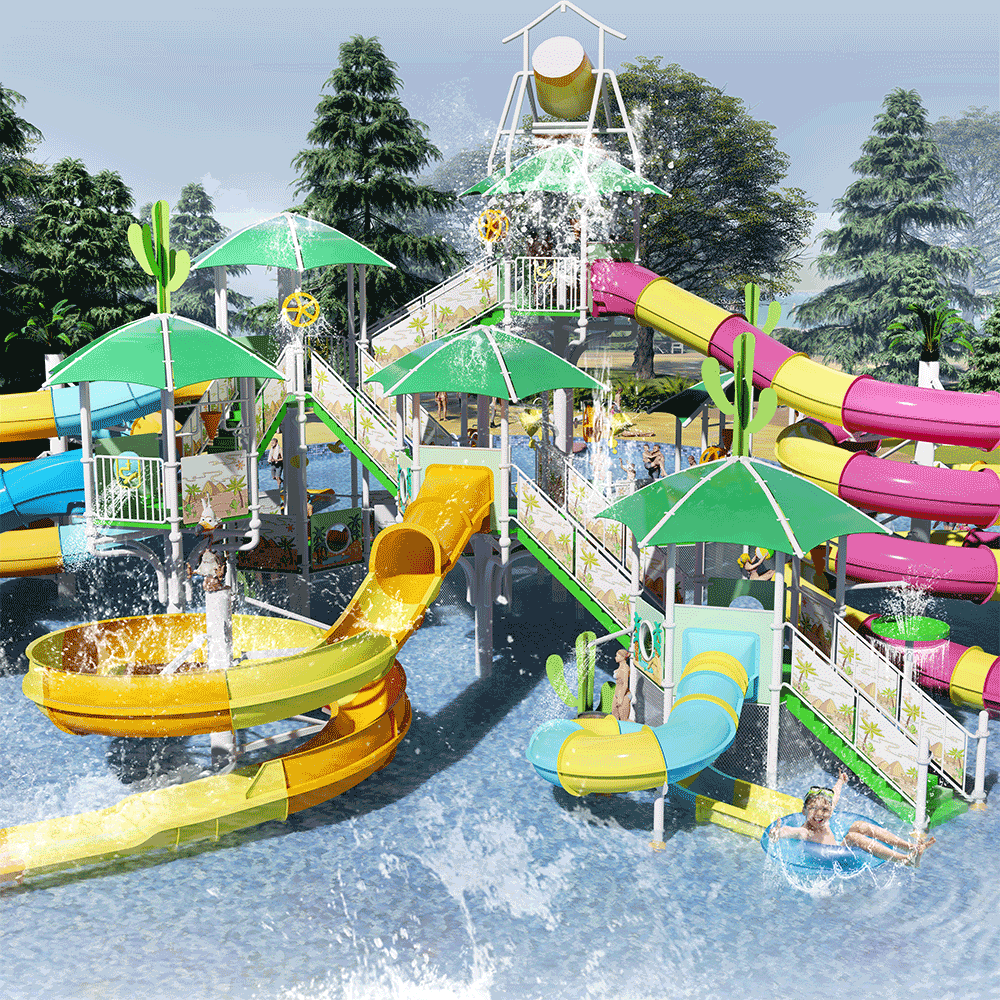
Tropical rainforest Series Park with Interactive Water House
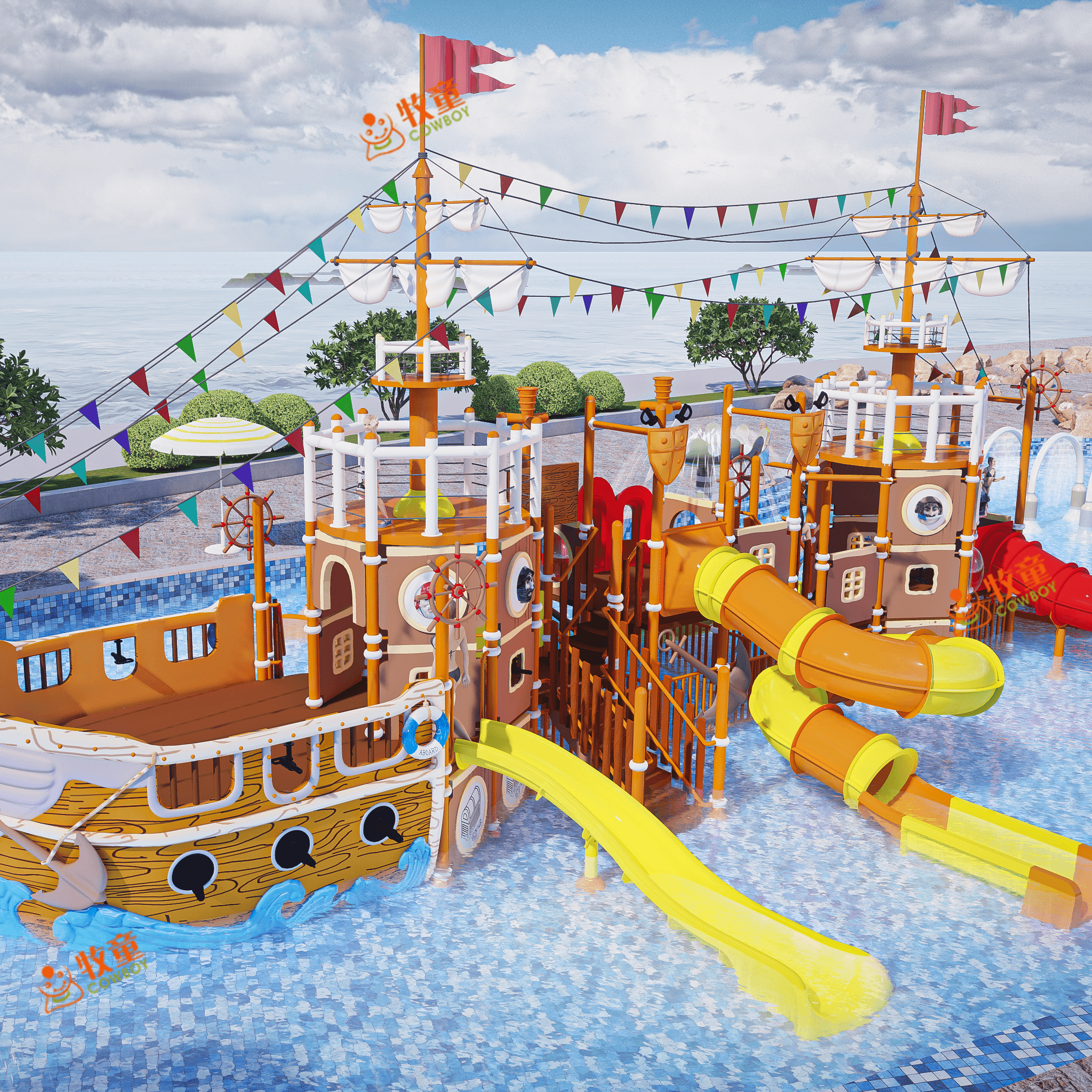
The Customized Small Water House With Pirate Ship Water Slides
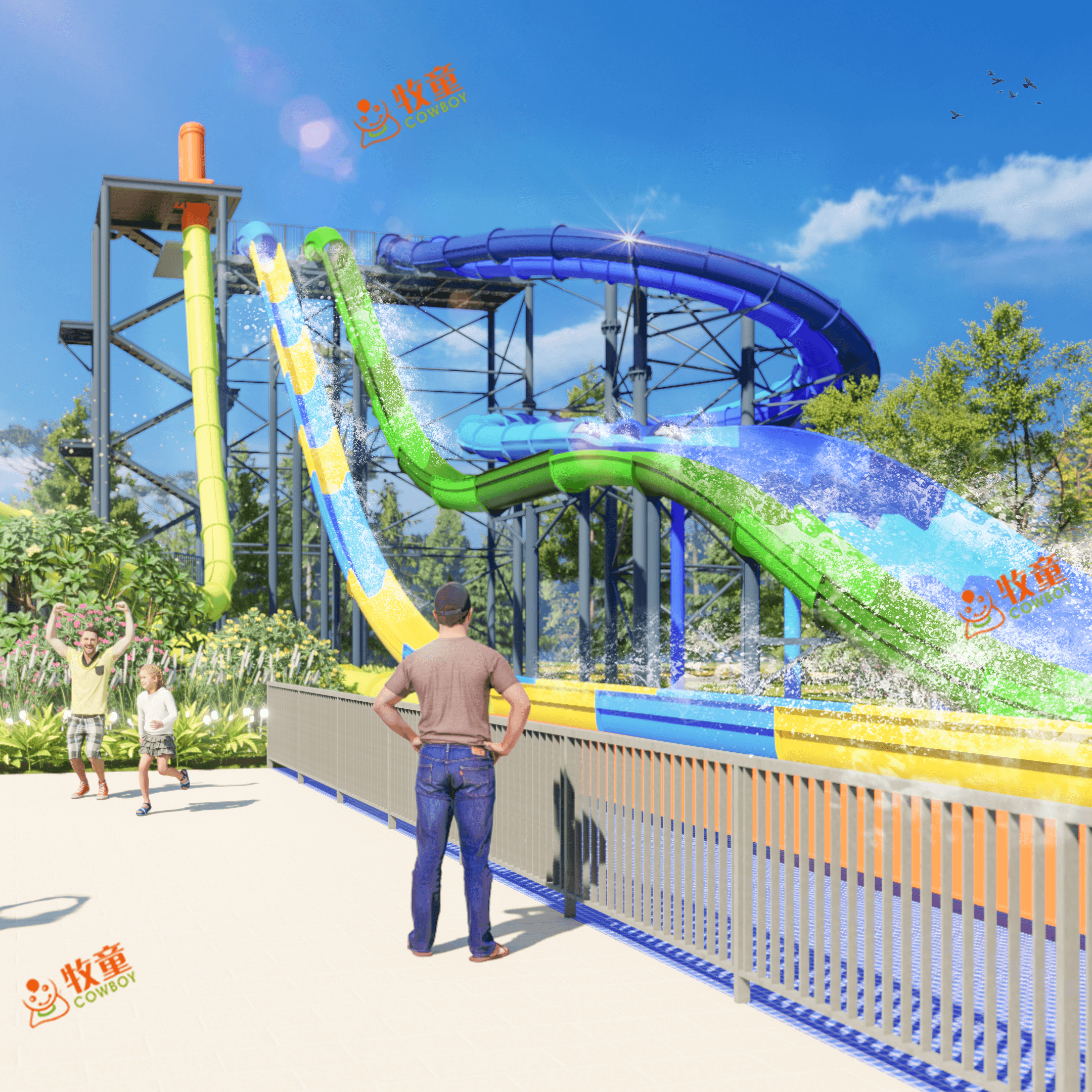
Whole Filled Adventure and Excitement Combination Water Slides
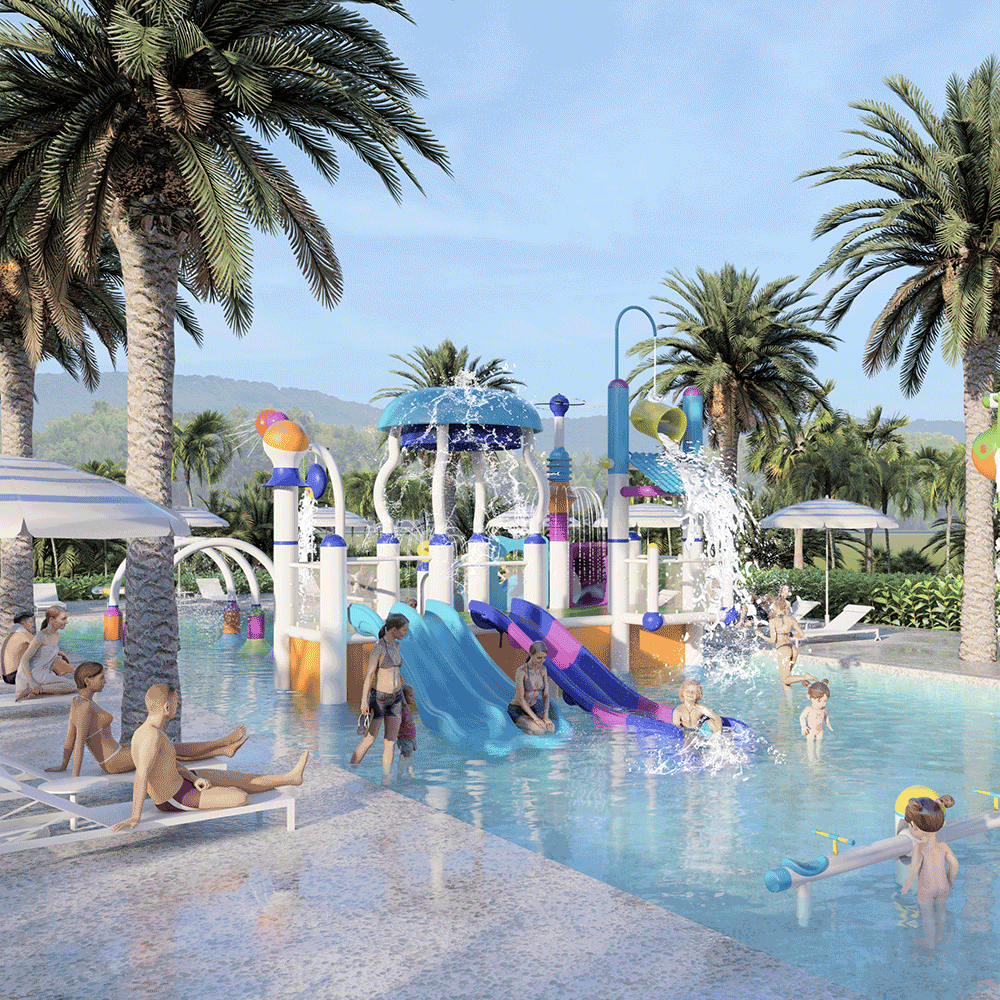
Colorful Series Water House 4MS05 with Water Spray Equipments
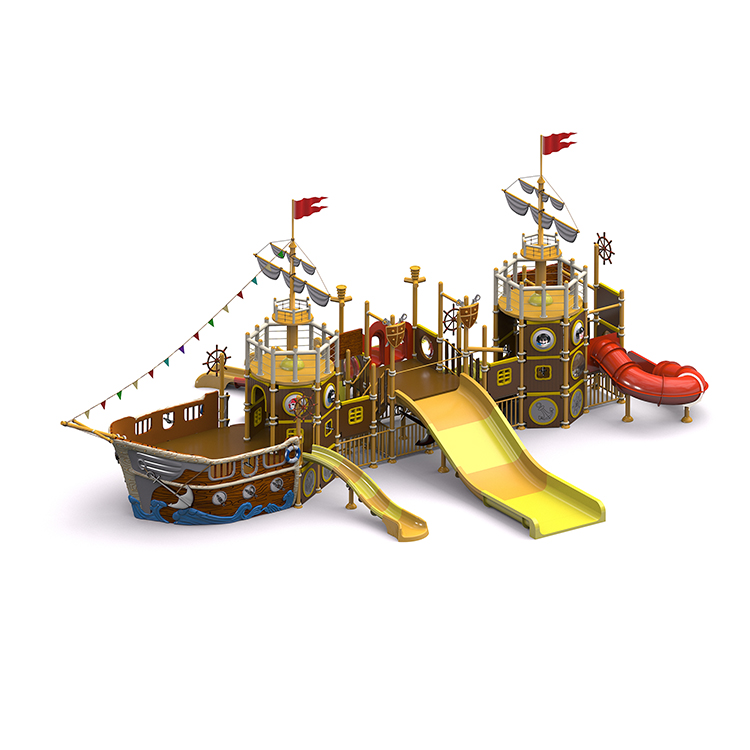
Kid Pirate Ship Water House
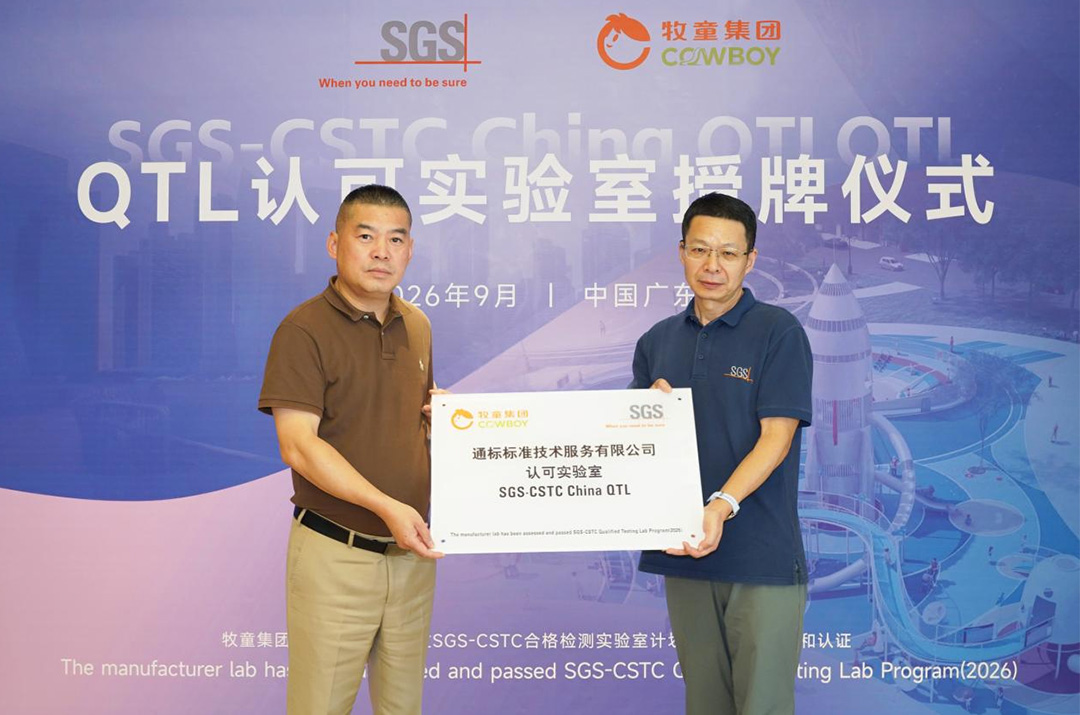
Cowboy Group Awarded SGS QTL (Qualified Testing Lab)
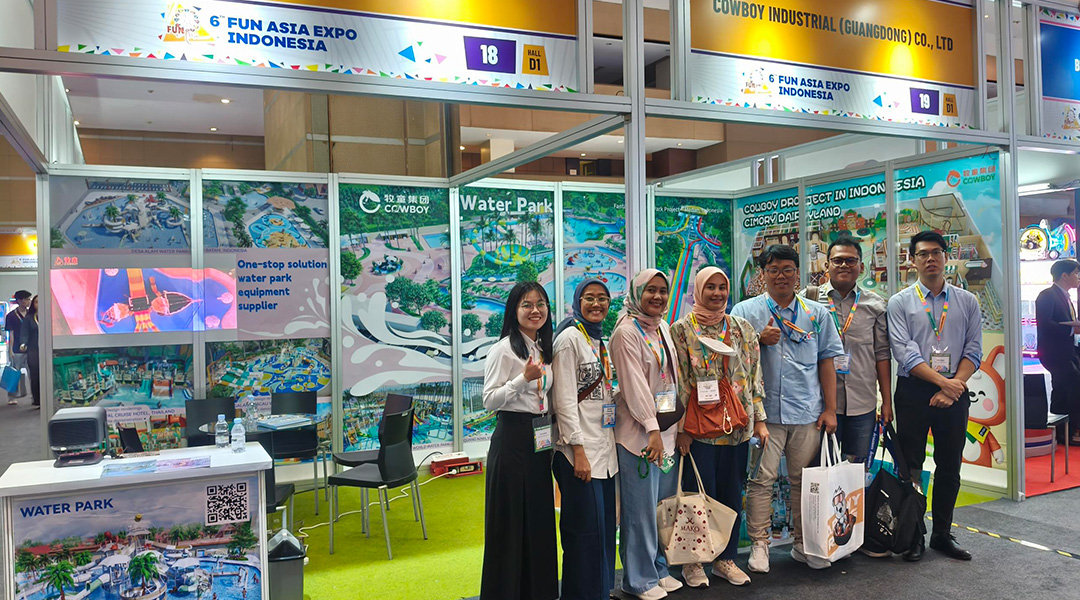
SEP.16,2026Cowboy Wraps Up a Successful Show at Fun Asia Expo 2026
AUG.12,2026Water Playground Equipment Procurement Guide: How to Select a Valuable Supplier Behind Vast Price Differences?
AUG.10,2026Cowboy will make a dazzling debut at the China-Vietnam Joint Export Brand Expo
APR.29,2025Shining in Britain: Cowboy’s Remarkable Journey at Futurebuild London 2025
MAR.07,2025Join Cowboy at Futurebuild UK 2025
FEB.20,2025Cowboy Embarks on a New Voyage, Showcasing Innovation in the Amusement Industry
NOV.28,2024The 8th Indonesia BDE International Building Materials and Home Decoration Exhibition is Ready to Go – Cowboy Invites You to Jakarta
NOV.23,2024Cowboy Deepens its Presence in the Central Asian Amusement Equipment Market, Bringing Joy to Children Worldwide
OCT.31,2024Cowboy Big News丨Cowboy Dubai Branch Officially Opened!
MAR.29,2024
Building a water park is far more than simply “purchasing equipment and filling it with water.” It is a highly integrated, multidisciplinary systems engineering project that combines commercial positioning, water park accessories sourcing, water treatment technology, fluid dynamics, guest psychology, and rigorous local compliance reviews. The ultimate success of a project depends on the precise alignment of five core elements during early planning: commercial model, site conditions, guest profiles, core attraction selection, and daily operational efficiency.
Whether developing a large-scale outdoor water resort or learning how to build a water park as a indoor venue embedded within a commercial complex, the key to avoiding blind trend-following and budget overruns lies in adopting a “Full Lifecycle Engineering” development mindset.
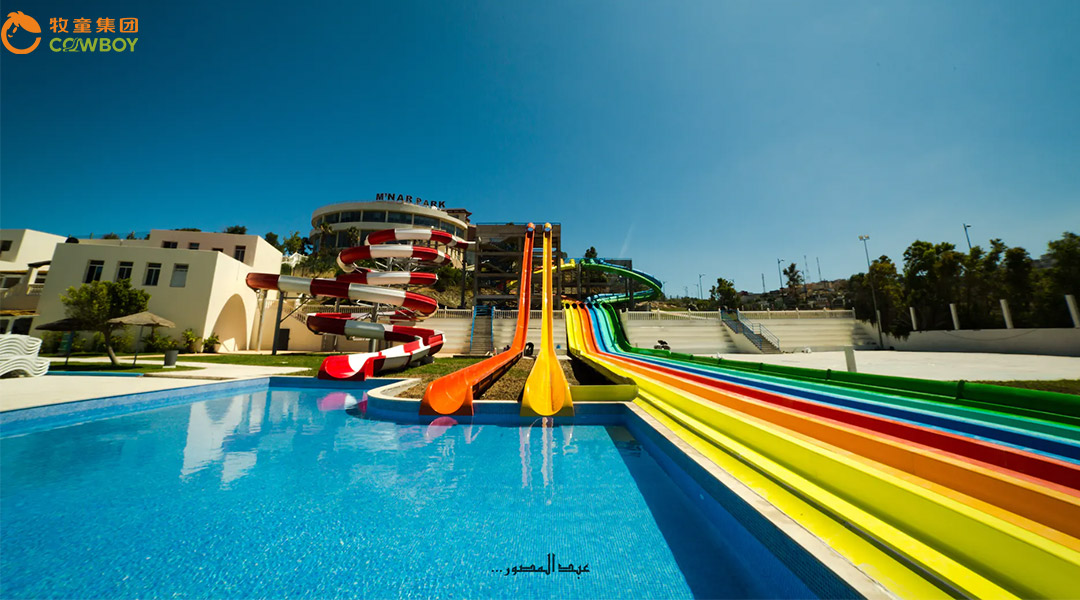
A water park’s commercial positioning dictates its subsequent capital expenditure (CapEx), operating expenditure (OpEx), and ROI payback period. Below are three primary business models:
| Model Type | Typical Footprint | Target Catchment | Core Revenue | Development Bottlenecks |
| All-Weather Indoor Water Park | 2,000 – 10,000 m² | Local community & family radius (5–10 km) | Admissions + Parent-child programs + High-frequency F&B | High HVAC energy consumption, clear ceiling height & structural load limits |
| Regional Outdoor Water Park | 30,000 – 100,000 m² | Metropolitan clusters (50–150 km) | Seasonal peak admissions + Secondary spend (stalls/rentals) | High seasonality (90–120 operational days), extreme weather sensitivity |
| Resort-Integrated Water Park | Over 100,000 m² | National / Interstate vacationers | Admissions + Immersive shows + Integrated spend | Massive initial investment, heavy reliance on supporting infrastructure |
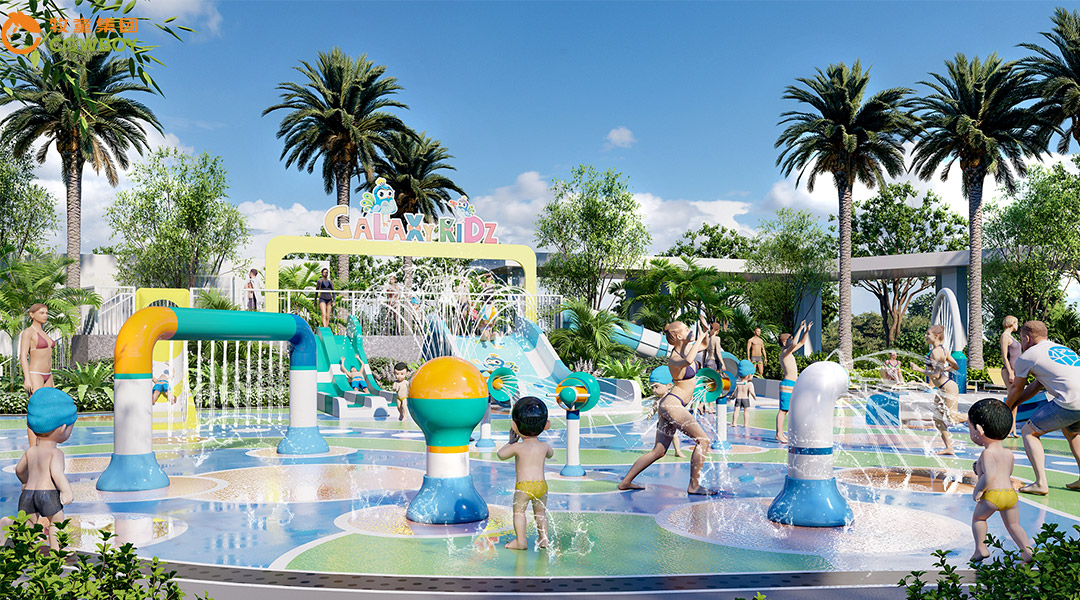
● Families with Kids (Ages 0–12): Demand stringent safety measures; prefer splash pads with water depths under 0.6 meters, interactive spray equipment, and gentle/wide slides. Require ample shaded parent seating and comprehensive baby-care facilities.
● Teens & Young Thrill-Seekers: Seek adrenaline-pumping experiences; favor iconic combination slide towers (e.g., Tornado/Mammoth slides, free-fall drop slides), wave pools, and bowl slides.
● Leisure & Wellness Guests: Prefer low-intensity attractions such as lazy rivers, hydrotherapy SPA pools, and heated massage pools.
Before committing capital, an independent third-party feasibility study must be conducted, covering:
● Local Climatic Data: 10-year historical trends for temperature ranges, precipitation, and sunshine hours (for outdoor parks), or year-round thermal energy consumption modeling (for indoor parks).
● Demographics & Economic Fundamentals: Disposable income levels within the primary catchment zone and market saturation of local competitors.
● Financial Modeling: Dynamic payback period projections and sensitivity analysis.
Water parks have significantly stricter physical site requirements than conventional amusement parks. Site selection must satisfy five hard metrics:
● Water Load: Full operating loads for pools and equipment rooms far exceed standard commercial building codes; structural reinforcement evaluations are mandatory.
● Column Grid & Clear Height: Slide drop zones and multi-level play structures require generous vertical clearance and wide structural column spans to maintain visual aesthetics and clear lines of sight for safety.
4. Guest Circulation & Vertical Traffic: A strict “Wet-Dry Separation” circulation pattern must be enforced. Cross-circulation causes floor contamination, hygiene issues, and slip-and-fall risks.
5. Local Regulations & Fire Safety: As high-density public assembly venues, water parks must strictly comply with local fire and building codes, such as NFPA (National Fire Protection Association) and IBC (International Building Code). Given high humidity in large indoor parks, smoke evacuation systems must be engineered with anti-corrosion and moisture-proof specifications. Emergency vehicle access roads and egress corridors must meet international life safety codes.
A standardized water park is logically divided into five core functional zones:
● Entrance Plaza & Ticketing Hub (Main entrance, lockers, changing facilities)
● High-Thrill Attraction Zone (Tower slide complexes, extreme combination rides)
● Family Interactive Zone (Aqua play structures, kids’ splash pools, wave pools)
● Leisure Buffer Zone (Lazy river, dining pavilions, sunbathing decks)
● Back-of-House (BOH) & Utility Zone (LSS water treatment room, chemical dosing room, electrical distribution, lifeguard breakrooms)
Project A (3,000 m² Indoor Commercial Complex): Constrained by space and ceiling height; focuses on vertical efficiency and high throughput.
Project B (50,000 m² Outdoor Resort Park): Focuses on iconic anchor attractions and crowd distribution.
A water park is a continuously operating hydraulic mechanical ecosystem requiring seamless coordination across civil, mechanical, electrical, and plumbing (MEP) disciplines.
Turnover Rates (Recirculation Cycles): High-bather load zones (e.g., kids’ pools, splash zones) require rapid turnover rates (e.g., complete circulation every 30 to 60 minutes), whereas large wave pools may extend to 4 to 6 hours.
Filtration Technologies: Options include conventional High-Rate Sand Filters (robust structure, but high backwash water consumption) or modern Perlite / Regenerative Media Filters (compact footprint, saving up to 90% backwash water, albeit higher upfront CapEx).
Disinfection Protocols: Beyond baseline chlorine dosing, secondary disinfection systems such as Ultraviolet (UV) or Ozone are mandatory to eliminate chloramines, neutralize resistant pathogens (e.g., Cryptosporidium), and maintain indoor air quality.
Indoor water park environments are inherently harsh. Evaporation releases moisture and vaporized chemicals into the air, creating high humidity and corrosive ambient conditions.
Dehumidification: Industrial-grade Air Handling Units (AHUs) with heat recovery must be deployed to maintain relative humidity between 50% and 60%, while keeping air temperature 1–2°C above water temperature to minimize evaporation.
Anti-Corrosion Requirements: Structural steel must be hot-dip galvanized or coated with high-performance epoxy. Fasteners and ductwork must utilize high-grade stainless steel (316L) or non-metallic composite materials.
Energy & Water Conservation: Water parks are major consumers of energy and water. Maintaining thousands of cubic meters of water—through daily heating, filtration, and 24-hour circulation—results in substantial operating costs. ESG principles and green solutions must be integrated early. Water heating should utilize air-source or ground-source heat pumps alongside solar thermal collectors. Furthermore, all water pumps should feature variable-frequency drive (VFD) technology to adjust flow rates based on visitor volume and reduce nighttime energy consumption.
Acoustic Treatment: High noise levels are generated by water turbulence and crowds. Moisture-resistant, mold-proof acoustic baffle systems must be installed on ceilings.
Illumination: Low-voltage underwater LED fixtures combined with glare-free indirect ambient lighting ensure clear underwater visibility for lifeguards, eliminating blind spots.
Procurement missteps can lead to equipment interface mismatches, severe project delays, and cost overruns. Partnering with a reliable spray park supplier and equipment manufacturer ensures that all attractions meet international safety standards and operational efficiency targets.
Guest Capacity & Throughput: Slide selection must balance thrill factors with operational throughput (e.g., multi-person raft slides achieve 600–1,000 riders/hour, whereas single-tube slides manage only 180–240 riders/hour).
FRP (Fiberglass Reinforced Plastic) Quality: Select manufacturers using RTM (Resin Transfer Molding) technology. RTM produces ultra-smooth interior and exterior surfaces, reducing long-term maintenance and improving rider safety.
Durable Accessories & Fitting Integrity: High-quality water park accessories—including commercial-grade pumps, specialized spray nozzles, pool fittings, and slide connection hardware—are crucial for minimizing downtime and long-term wear.
Contractual boundaries must be explicitly delineated:
[ Water Park Ride Manufacturer & Supplier ]
Slide & FRP Component Design
Ride Equipment, Spray Features & Steel Support Supply
Proprietary Ride Control Systems
Installation Supervision & Commissioning
[ General Contractor (GC) ]
Concrete Foundations & Civil Structural Interfaces
Building Envelope & Enclosures
Primary Power Supply to Control Panels
BOH Piping Installation & Water Main Connections
Transitioning from a construction site to an operating venue requires rigorous commissioning protocols.
Slide assembly must be performed by certified rigging and installation teams. Structural steel alignment, FRP flange joint sealant application, and fastener torque specifications must be continuously inspected and logged.
Hydraulic & Pressure Testing: Conduct hydrostatic pressure tests on all underground supply and return lines prior to backfilling and pouring concrete slabs.
Dry & Wet Ride Testing: Perform trajectory and G-force testing using weighted sandbags or water-filled dummies to verify rider pathing and splash-down pool clearance safety.
Water Chemistry Calibration: Obtain chemical balance certification, establish turbidity baselines, and complete microbiological safety lab testing.
Emergency Safety Audits: Test all Emergency Stop (E-Stop) systems across wave generators, slide booster pumps, and automated chemical shutoff valves.
Lifeguard Training: Implement internationally recognized aquatic safety training programs (e.g., Ellis & Associates, Red Cross).
Standard Operating Procedures (SOPs): Document strict protocols for dispatch intervals, daily pre-opening inspection checklists, hazardous chemical handling, and severe weather evacuation.
Third-Party Authority Having Jurisdiction (AHJ) Sign-Off: Obtain final operating permits from municipal health departments, fire authorities, and amusement ride safety inspectors (e.g., compliance with TÜV or ASTM F24 standards).
While traditional water quality management relies on periodic manual sampling, modern water parks employ IoT-based online sensors to monitor parameters such as residual chlorine, pH, turbidity, and ORP in real time. These sensors integrate with automated dosing systems to ensure water quality remains consistently safe and compliant.
Underwater light refraction, surface ripples, and lifeguard visual fatigue pose significant risks for drowning incidents.
Cutting-Edge Technology: An increasing number of high-end water parks are adopting AI-powered computer vision systems for drowning prevention (such as the Poseidon system). If a guest remains motionless underwater beyond a threshold (e.g., 10–15 seconds), the system sends a precise alert to a lifeguard’s wearable device, pinpointing the individual’s location. This significantly reduces safety risks while generating cost savings through reduced insurance premiums.
To receive accurate proposals from Master Planners, MEP Consultants, and Water Park Equipment Manufacturers, complete and distribute a standardized Developer’s Project Brief.
Developing a water park is a complex yet highly rewarding undertaking that demands meticulous execution across design, engineering, and operations. There is no “one-size-fits-all” blueprint; success relies on precisely matching your capital resources and site constraints with the expectations of your target demographics.
Collect site data (topography, utility capacities, local zoning restrictions).
Complete the Project Brief above to define your project parameters.
Engage qualified professionals—including Master Planners, Hydraulic/LSS Engineers, and certified Water Park Equipment Manufacturers—to conduct a formal feasibility study and initiate schematic design.
World Waterpark Association (WWA) Development Guide
ANSI/APSP/ICC Standards for Public Aquatic Venues
ASTM F24 Standards on Amusement Rides and Devices
No.1 Guihua Road, Deqing Avenue, Guangqing Industrial Zone, Qingcheng Area Qingyuan City Guangdong Province China