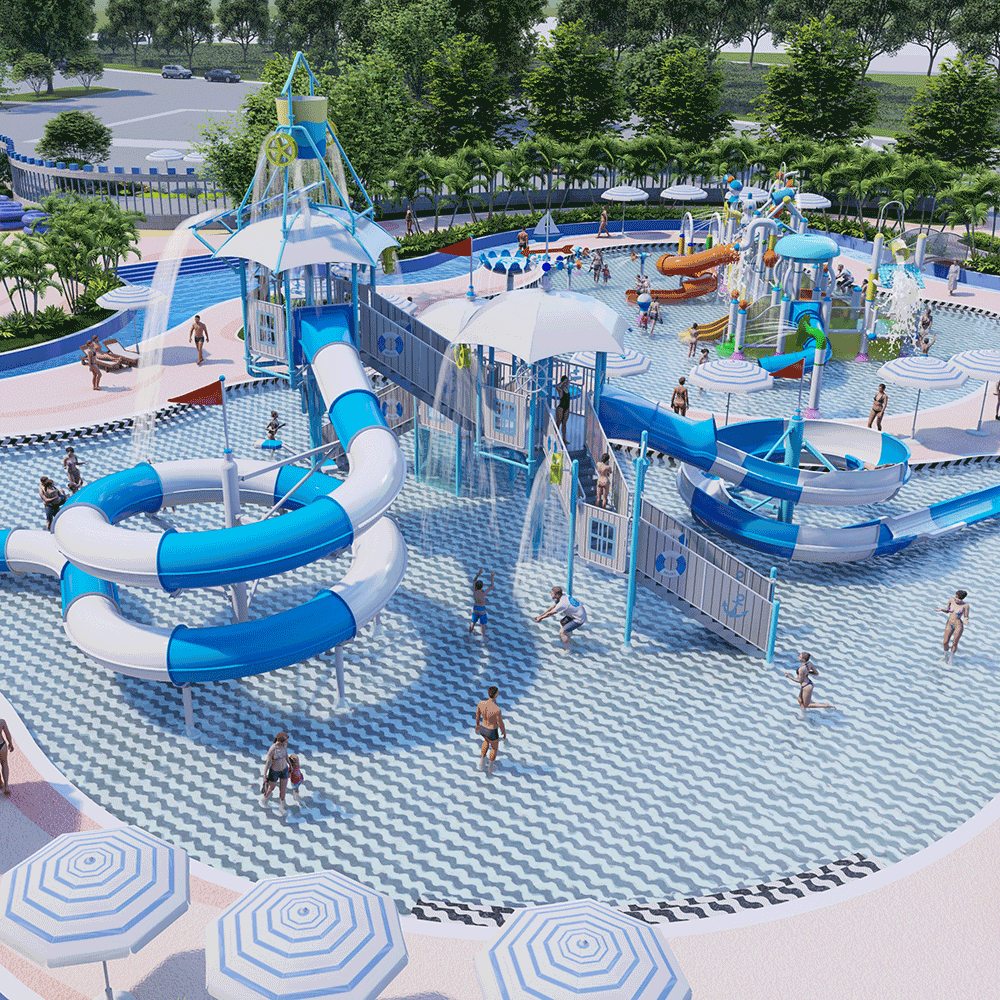
Ocean Series Water house With High-end Kids Combination Slides
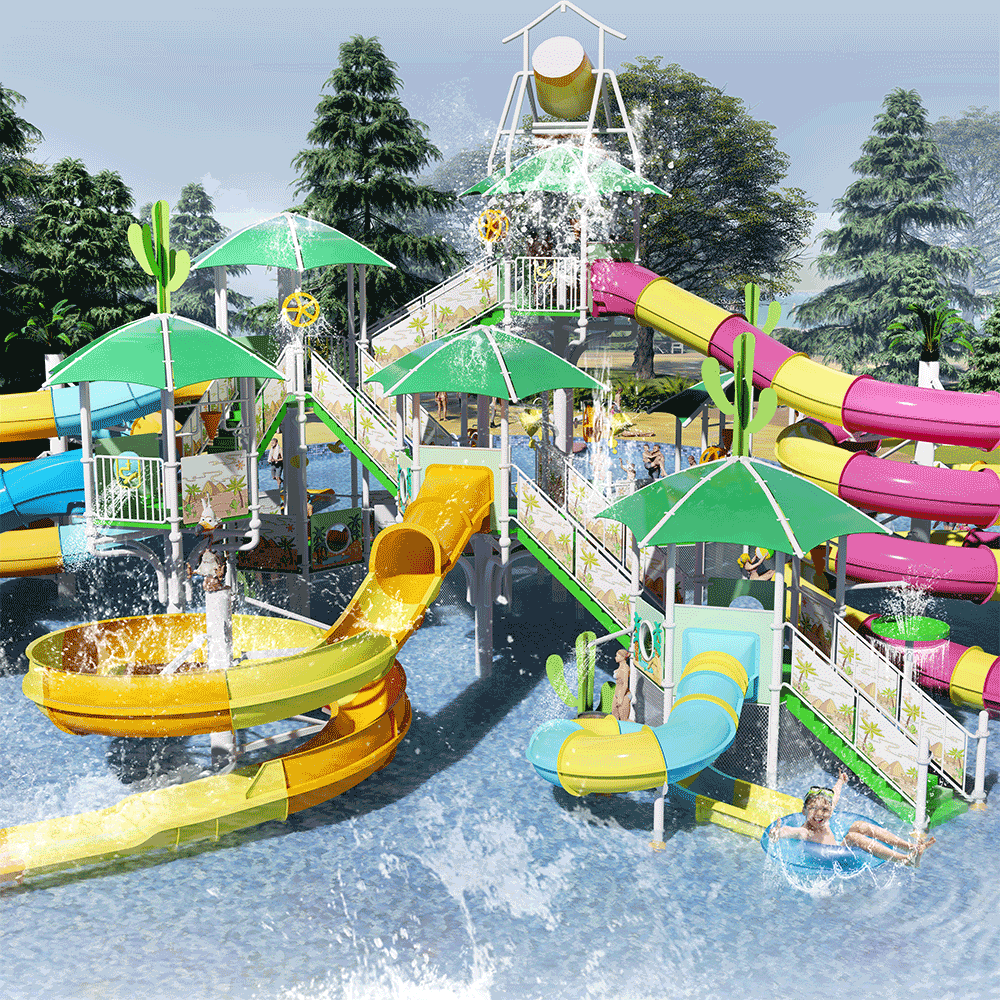
Tropical rainforest Series Park with Interactive Water House
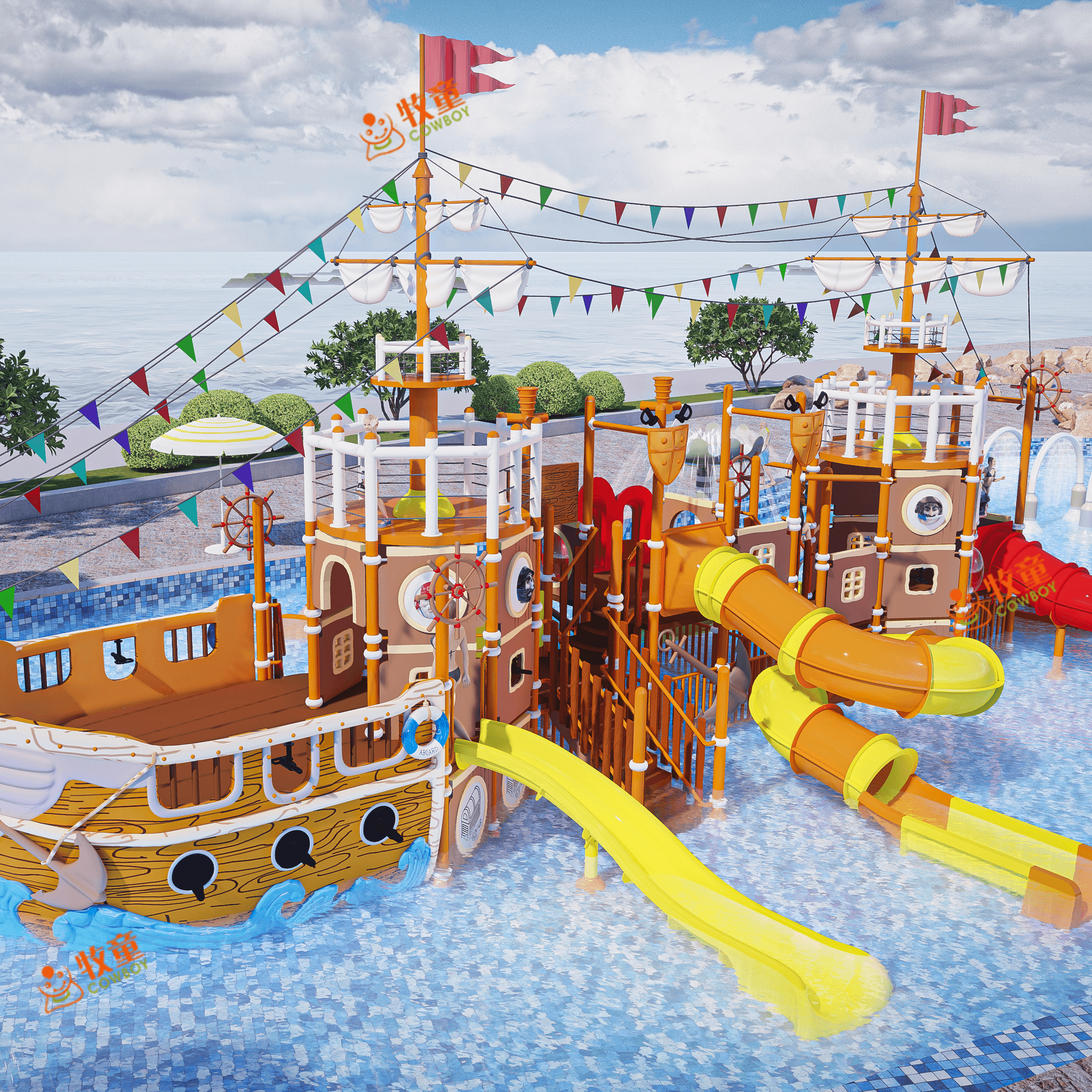
The Customized Small Water House With Pirate Ship Water Slides
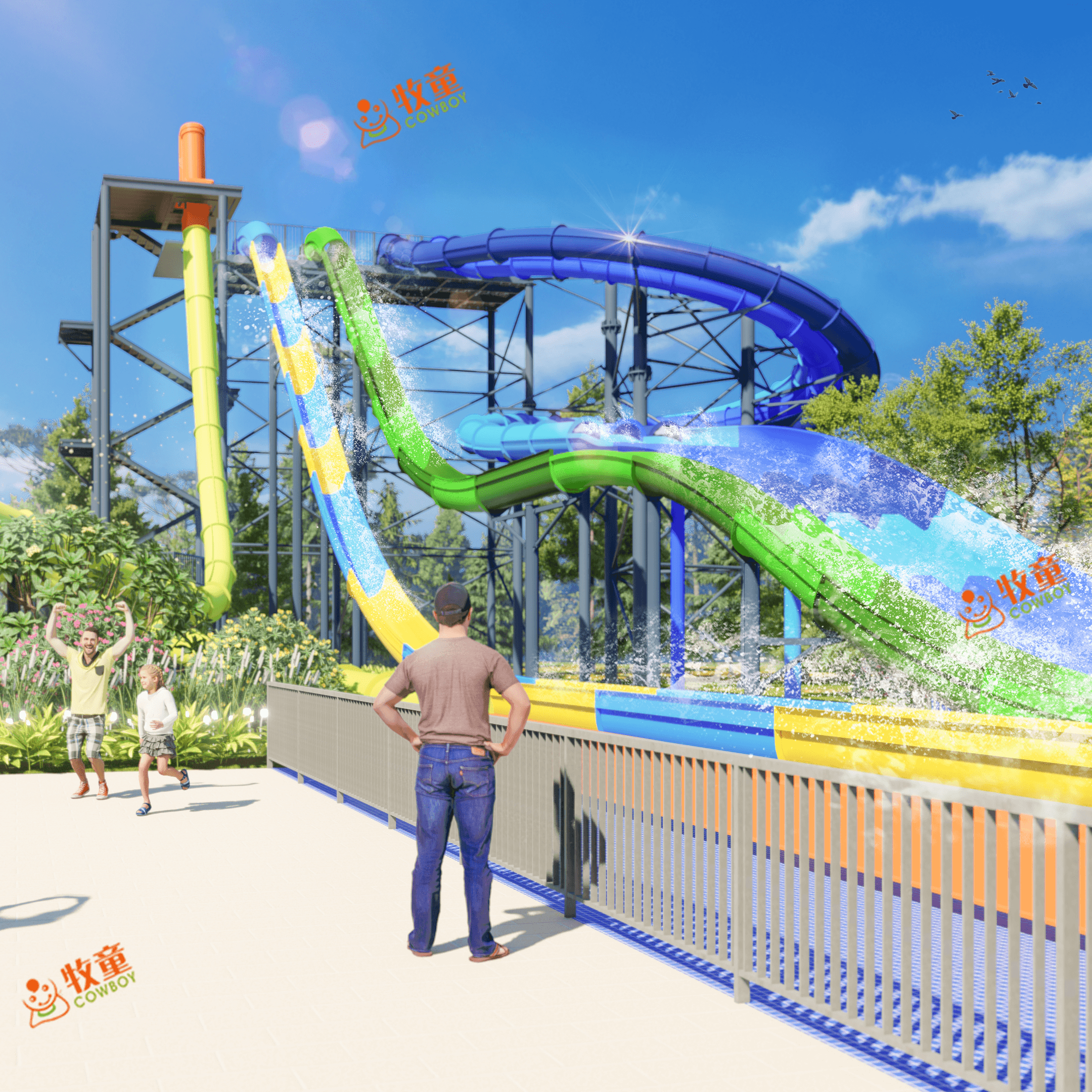
Whole Filled Adventure and Excitement Combination Water Slides
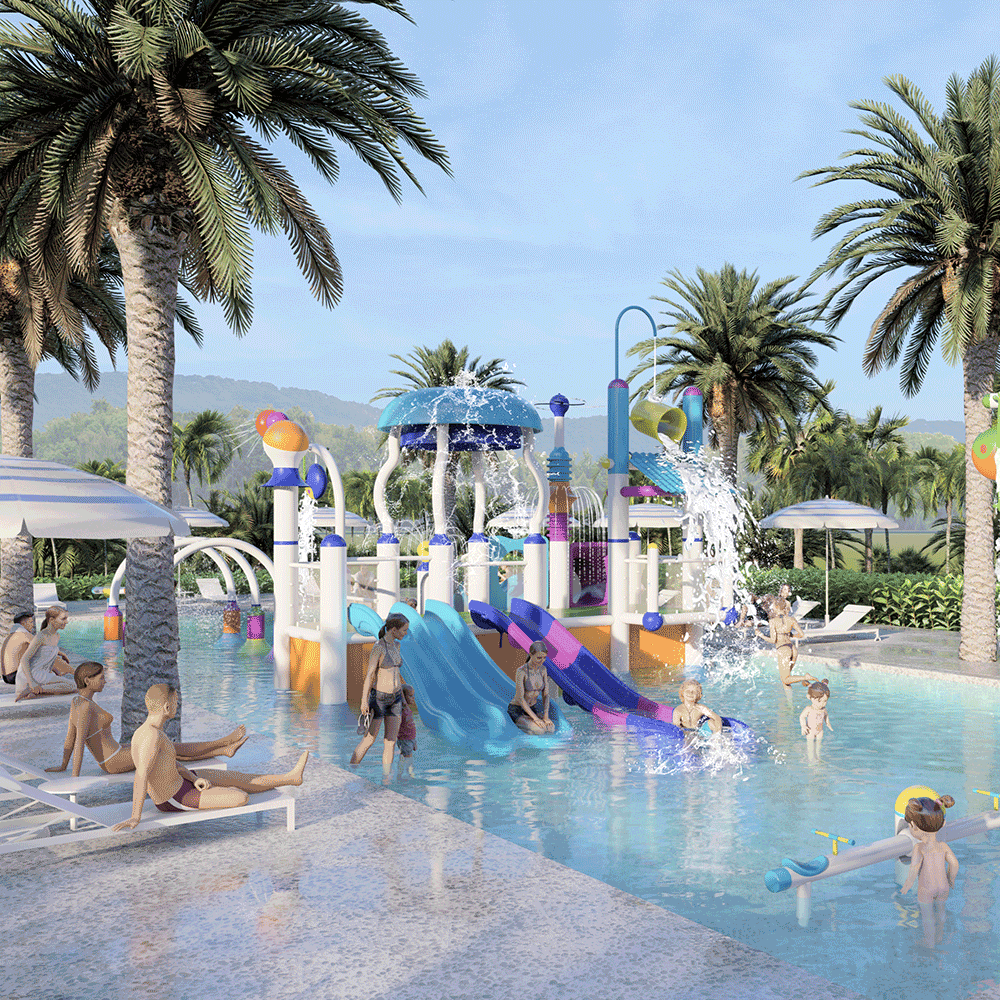
Colorful Series Water House 4MS05 with Water Spray Equipments
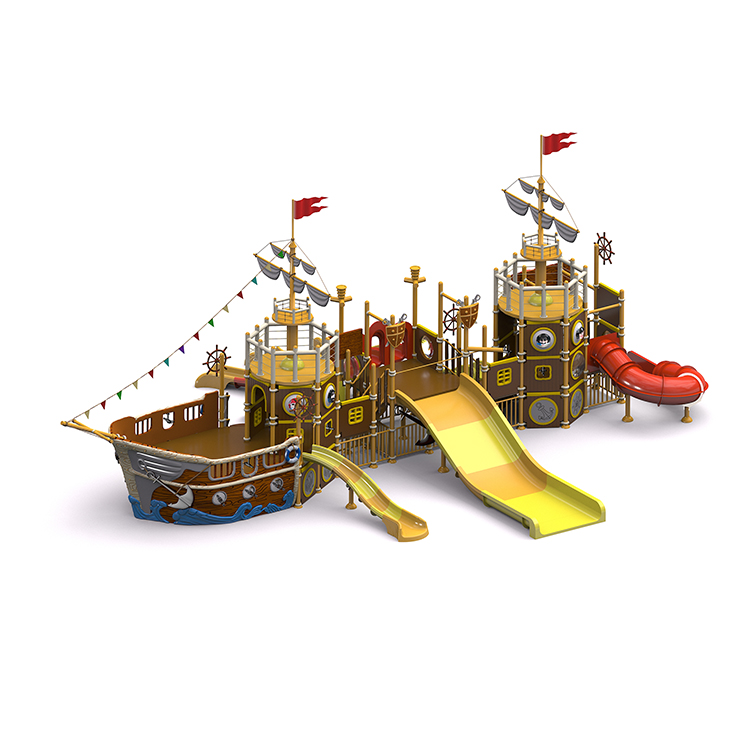
Kid Pirate Ship Water House
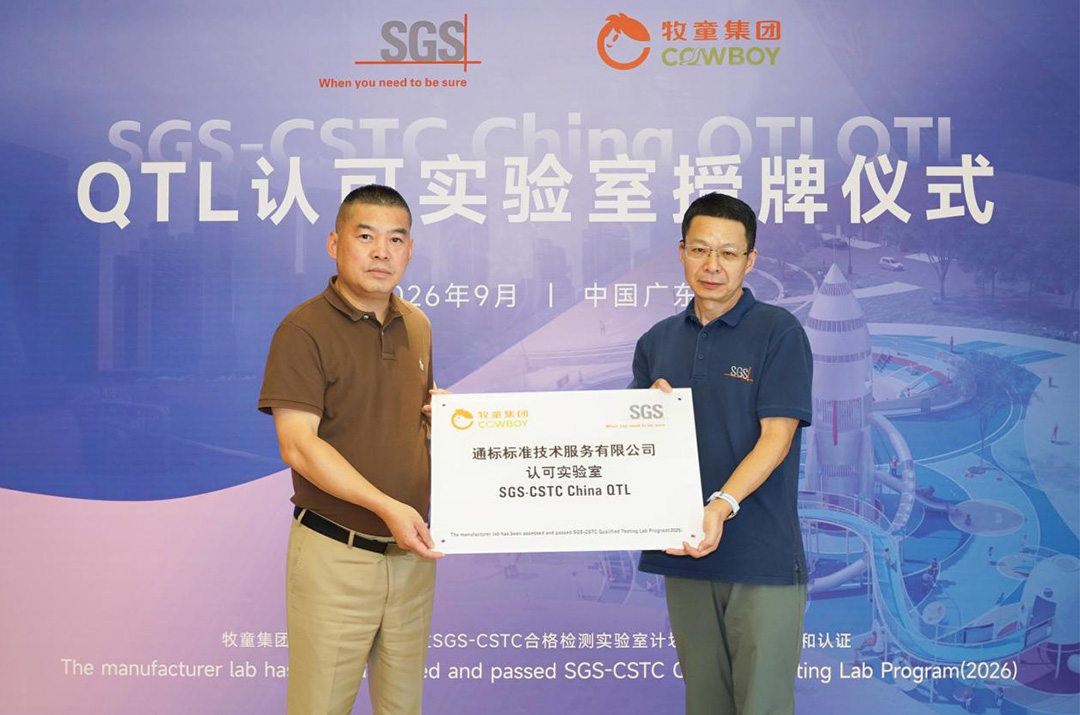
Cowboy Group Awarded SGS QTL (Qualified Testing Lab)
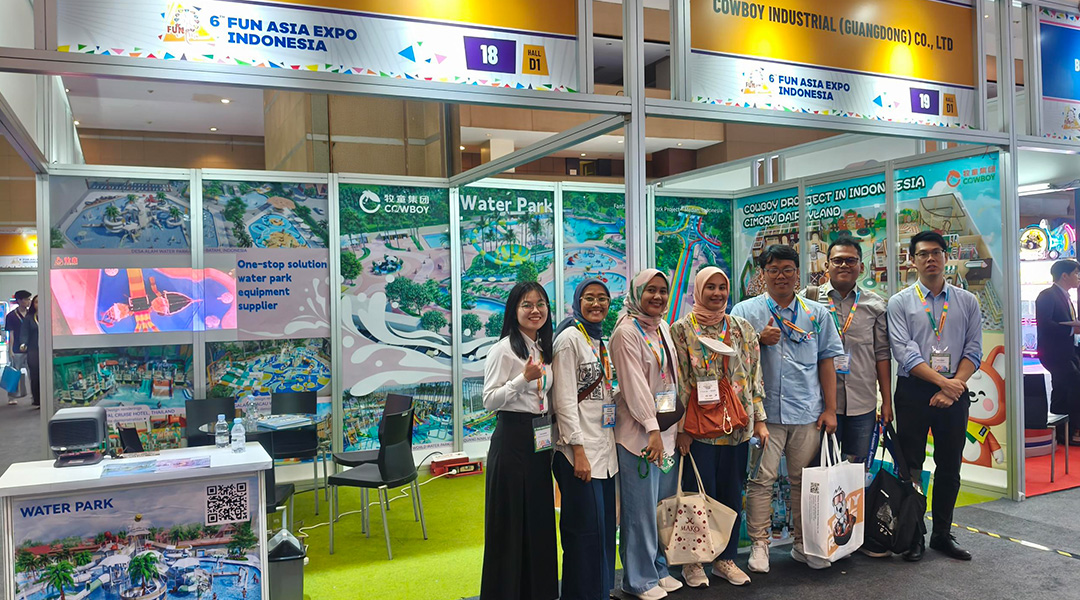
SEP.16,2026Cowboy Wraps Up a Successful Show at Fun Asia Expo 2026
AUG.12,2026Water Playground Equipment Procurement Guide: How to Select a Valuable Supplier Behind Vast Price Differences?
AUG.10,2026Cowboy will make a dazzling debut at the China-Vietnam Joint Export Brand Expo
APR.29,2025Shining in Britain: Cowboy’s Remarkable Journey at Futurebuild London 2025
MAR.07,2025Join Cowboy at Futurebuild UK 2025
FEB.20,2025Cowboy Embarks on a New Voyage, Showcasing Innovation in the Amusement Industry
NOV.28,2024The 8th Indonesia BDE International Building Materials and Home Decoration Exhibition is Ready to Go – Cowboy Invites You to Jakarta
NOV.23,2024Cowboy Deepens its Presence in the Central Asian Amusement Equipment Market, Bringing Joy to Children Worldwide
OCT.31,2024Cowboy Big News丨Cowboy Dubai Branch Officially Opened!
MAR.29,2024
As a water park investor, are you often confused by price differences of 30%-50% or even more when procuring water playground equipment such as slides and wave generators?
This phenomenon is widespread in the industry. Behind the price differences is not a simple matter of “you get what you pay for,” but a direct reflection of differences in the cost of specialized materials, the precision of complex processes, the company’s qualification level, and the full-cycle service system. Water playground equipment directly affects visitor safety and experience, and its margin for error is far lower than that of land-based equipment.
To help you navigate the fog, we have distilled a rigorous “five-step selection method” based on industry experience, helping you identify low-price traps from the source and accurately select high-quality partners.
Water playground facilities are special type of amusement equipment, and its design and manufacturing require strict supervision. Confirming that your partner is a truly first-tier manufacturer with independent production capabilities is the first line of defense for safety and cost control.
Trace the production site: Requires a panoramic video of the factory with real-time location tracking. Focus on whether the facility has a fiberglass (FRP) mold processing workshop and a large steel structure welding workshop, rather than just showcasing a prototype in a showroom.
For slides or platforms with similar appearances, the value difference lies in the core materials and processes used to resist “moisture corrosion, UV aging, and hydraulic impact,” which directly determines the equipment’s safety threshold and operational lifespan.
Beautiful brochures and websites can be embellished, but real manufacturing capabilities and testing processes don’t lie. On-site visits are the “touchstone” for verifying a company’s true strength.
Assess the completeness of the production chain: Does the workshop cover the entire process from mold manufacturing, product fabrication, steel structure processing, to final assembly and commissioning?
Equipment delivery is not the end of the cooperation, but the beginning of long-term safe operation and service. Water parks are highly seasonal; the speed of after-sales response directly determines your revenue loss during peak seasons.
Warranty and Emergency Response: Clearly define the warranty period for the entire machine and the warranty terms for the core anti-corrosion layer. Agree on the response timeframe after a fault report, and be sure to include it in the contract appendix.
Procurement decisions should be based on a scientific assessment of the “total life cycle cost” and “safety risks,” rather than a simple comparison of initial quotes.
Life Cycle Cost (LCC) Analysis: Comprehensively evaluate “equipment purchase cost + special infrastructure construction + personnel professional training + annual anti-corrosion maintenance + water quality operation costs + high-value public liability insurance.” High-quality corrosion-resistant equipment can reduce overall maintenance costs and energy consumption by 30%-50% compared to lower-quality equipment over 5 years.
Beware of “Price Gap”: If the quoted price deviates significantly from the industry average, it means that cost-cutting has likely been made on key safety protection devices (such as anti-slip pedals), rigorous water testing before delivery, or a professional after-sales team. These hidden costs will ultimately manifest in future tourist safety accidents, water quality fines, or high-cost repairs.
Choosing water playground equipment is essentially choosing a crucial guarantee for the safety of your park’s visitors and its long-term operation. Careful screening of qualifications and safety standards in the early stages ensures stable and worry-free operation every summer. We firmly believe that only quality that can withstand the harsh tests of rapid water flow and humid climates can support the lasting prosperity of your water park and the joy of your visitors.
No.1 Guihua Road, Deqing Avenue, Guangqing Industrial Zone, Qingcheng Area Qingyuan City Guangdong Province China