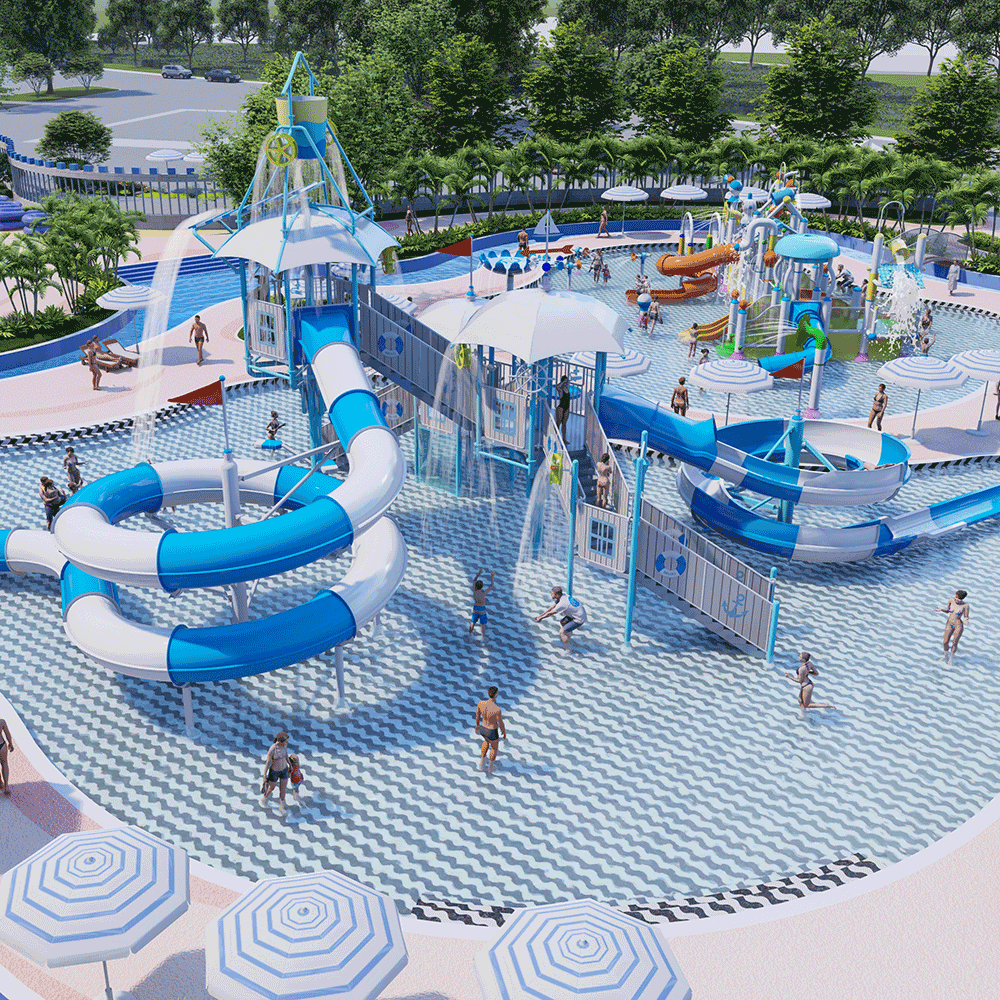
Ocean Series Water house With High-end Kids Combination Slides
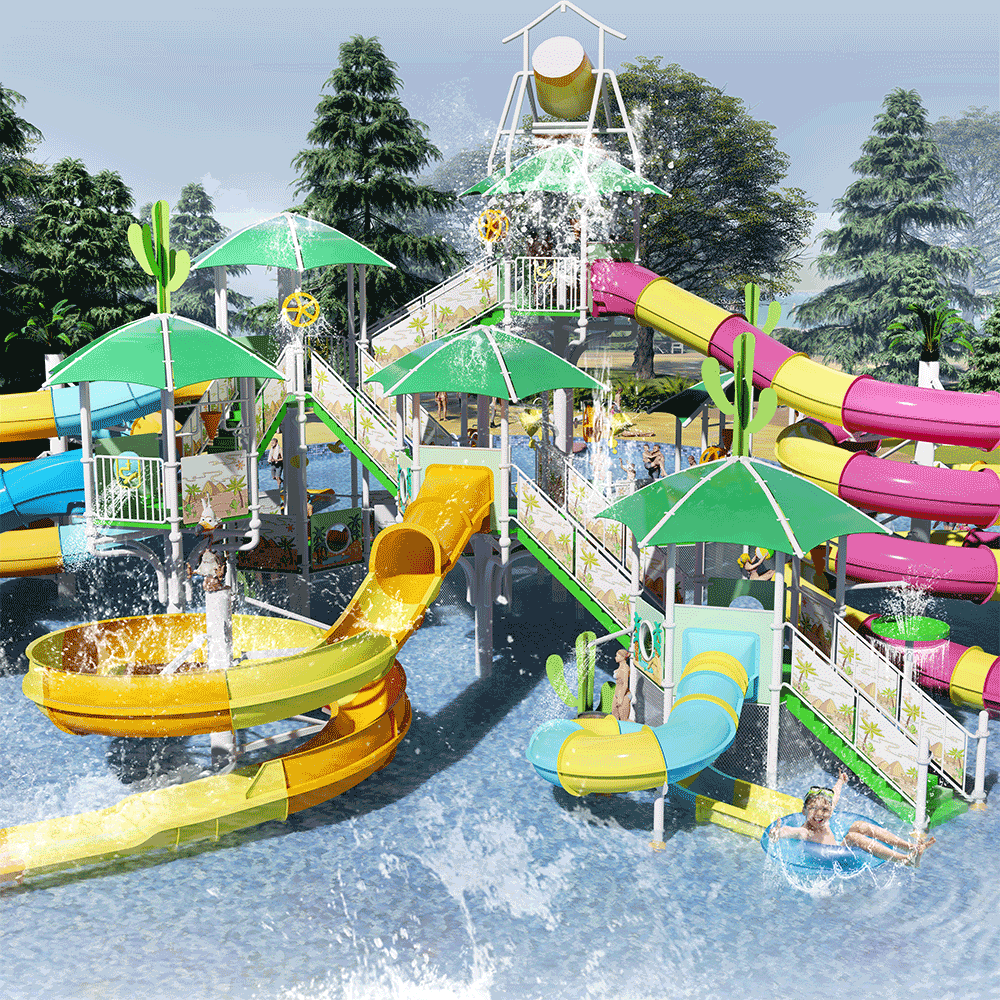
Tropical rainforest Series Park with Interactive Water House
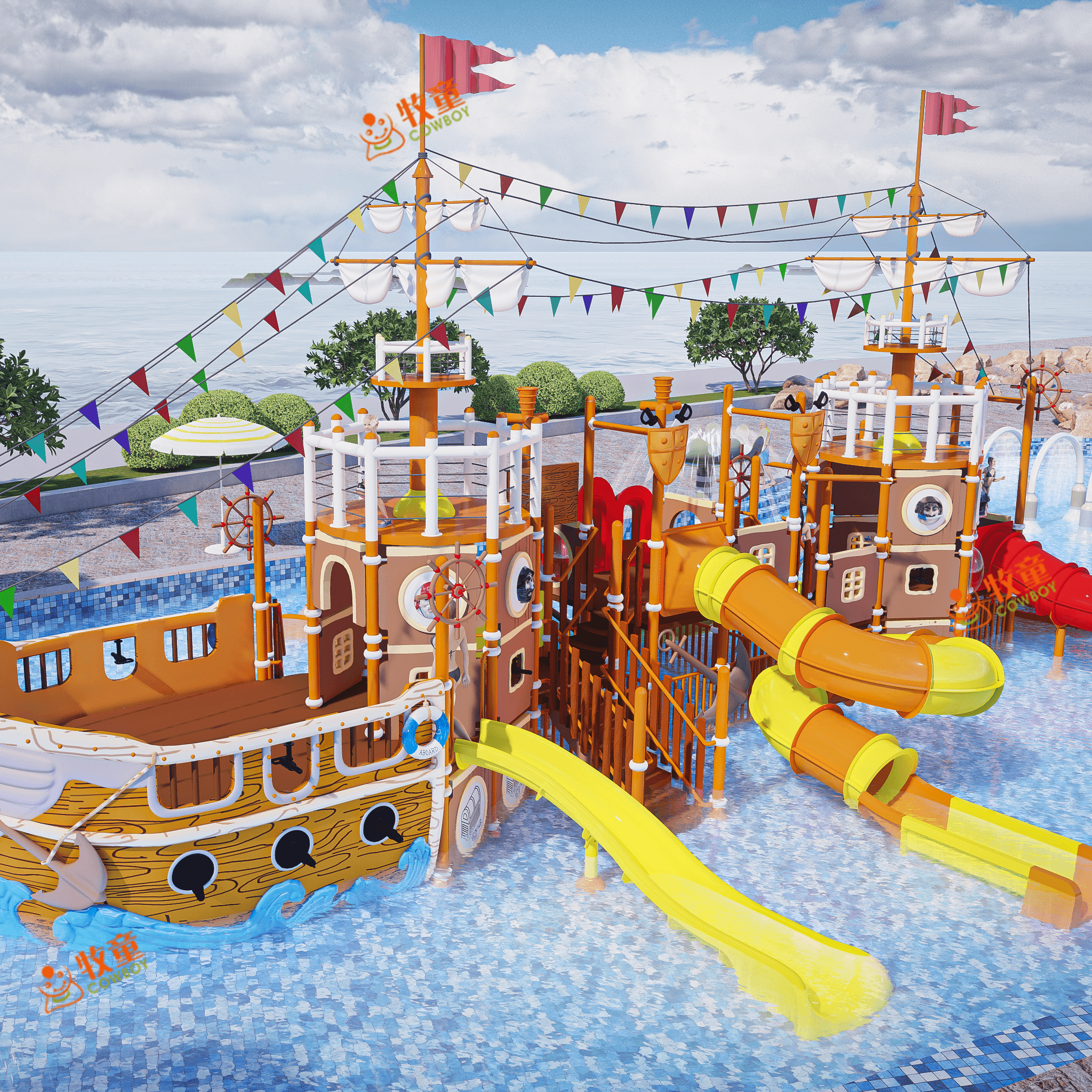
The Customized Small Water House With Pirate Ship Water Slides
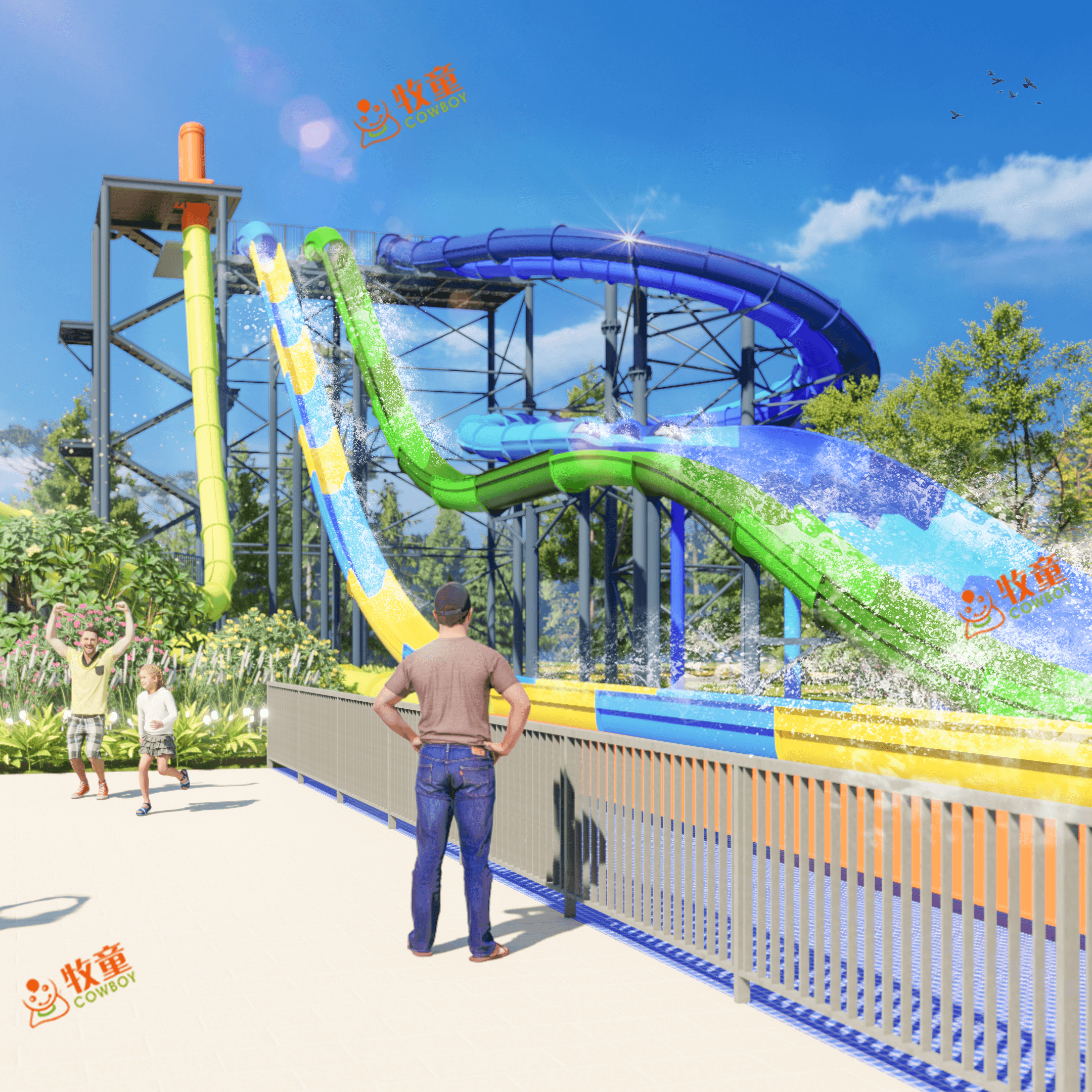
Whole Filled Adventure and Excitement Combination Water Slides
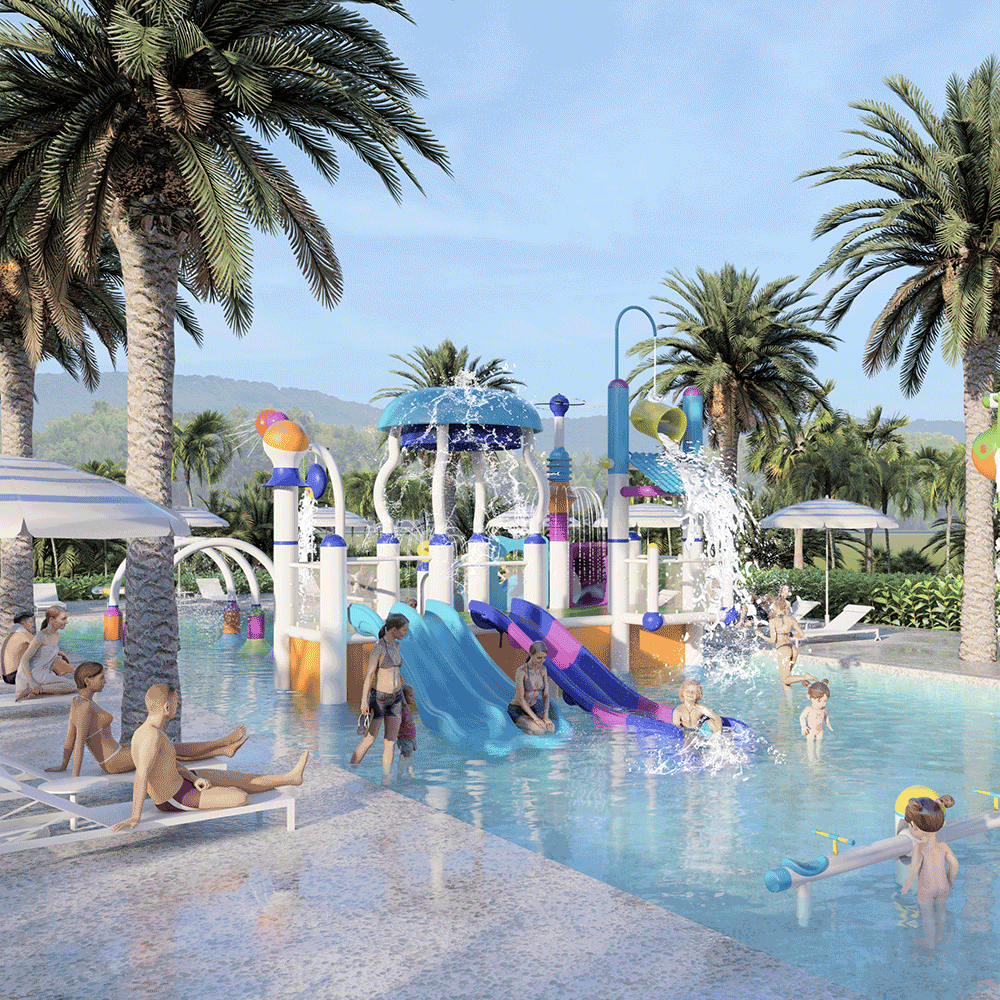
Colorful Series Water House 4MS05 with Water Spray Equipments
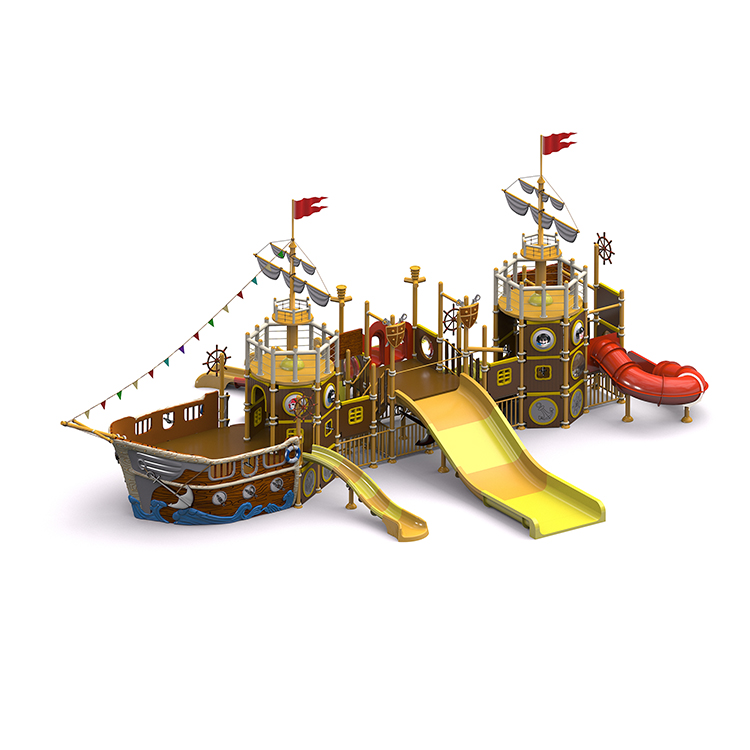
Kid Pirate Ship Water House
How to Build a Water Park?
OCT.22,2026Cowboy Group Awarded SGS QTL (Qualified Testing Lab)
SEP.16,2026Cowboy Wraps Up a Successful Show at Fun Asia Expo 2026
AUG.12,2026Water Playground Equipment Procurement Guide: How to Select a Valuable Supplier Behind Vast Price Differences?
AUG.10,2026Cowboy will make a dazzling debut at the China-Vietnam Joint Export Brand Expo
APR.29,2025Shining in Britain: Cowboy’s Remarkable Journey at Futurebuild London 2025
MAR.07,2025Join Cowboy at Futurebuild UK 2025
FEB.20,2025Cowboy Embarks on a New Voyage, Showcasing Innovation in the Amusement Industry
NOV.28,2024The 8th Indonesia BDE International Building Materials and Home Decoration Exhibition is Ready to Go – Cowboy Invites You to Jakarta
NOV.23,2024Cowboy Deepens its Presence in the Central Asian Amusement Equipment Market, Bringing Joy to Children Worldwide
OCT.31,2024
The short answer is that it depends on the project. A small splash park for children may require a few hundred thousand dollars in equipment, while a large destination water park can require tens of millions of dollars in total investment.
The challenge is that the price of water slides is only one part of the budget. Land preparation, swimming pools, water treatment systems, electrical work, installation, safety facilities, and local approvals can all affect the final cost.
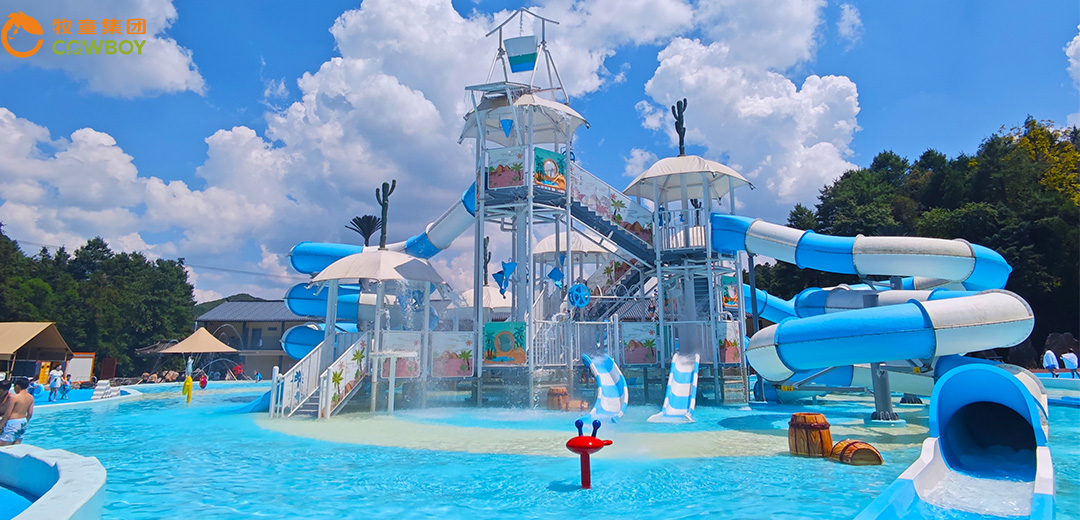
A small water play park for families, a water park inside a resort, and a large regional attraction have very different budgets. Even two projects with the same land area may have very different costs because of their attraction mix, site conditions, water treatment requirements, construction standards, and target visitors.
This guide explains the main cost factors, provides indicative equipment price ranges, compares three project scenarios, and shows how to evaluate supplier quotations before making an investment decision.
Whether you are planning a hotel splash park, a family water park, or a large commercial water attraction, the goal is to help you build a realistic budget and make informed decisions.
For early planning, it is useful to separate the investment into two categories:
Water park equipment cost: The cost of attractions and related equipment supplied by manufacturers.
Total project cost: The cost of developing a functioning water park, including equipment, construction, infrastructure, design, installation, and other project expenses.
Indicative budget ranges by project type:
| Project type | Typical project scope | Indicative equipment budget | Indicative total project budget |
| Small splash park | 100–500 m² of water play space | $50,000–$300,000 | $150,000–$1 million |
| Hotel or resort water play area | Children’s splash area, several slides, family pools | $150,000–$800,000 | $500,000–$3 million |
| Small commercial water park | Multiple slides, children’s play structure, pools | $500,000–$2 million | $2 million–$8 million |
| Mid-sized family water park | Multiple slide attractions, large play structure, several pools | $1.5 million–$5 million | $8 million–$25 million |
| Large destination water park | Major thrill rides, wave pool, lazy river, extensive facilities | $5 million–$15 million+ | $25 million–$60 million+ |
These ranges are deliberately broad. They are intended to help investors assess the order of magnitude of an investment, not to establish the market value of every project within a category.
A compact park built on an existing resort site may cost much less than a new park of similar size requiring extensive earthworks, utilities, and buildings. A wave pool or a large custom slide complex can also move a project into a different cost category.
Once you have a preliminary project budget, the next step is to understand the cost of individual attractions.
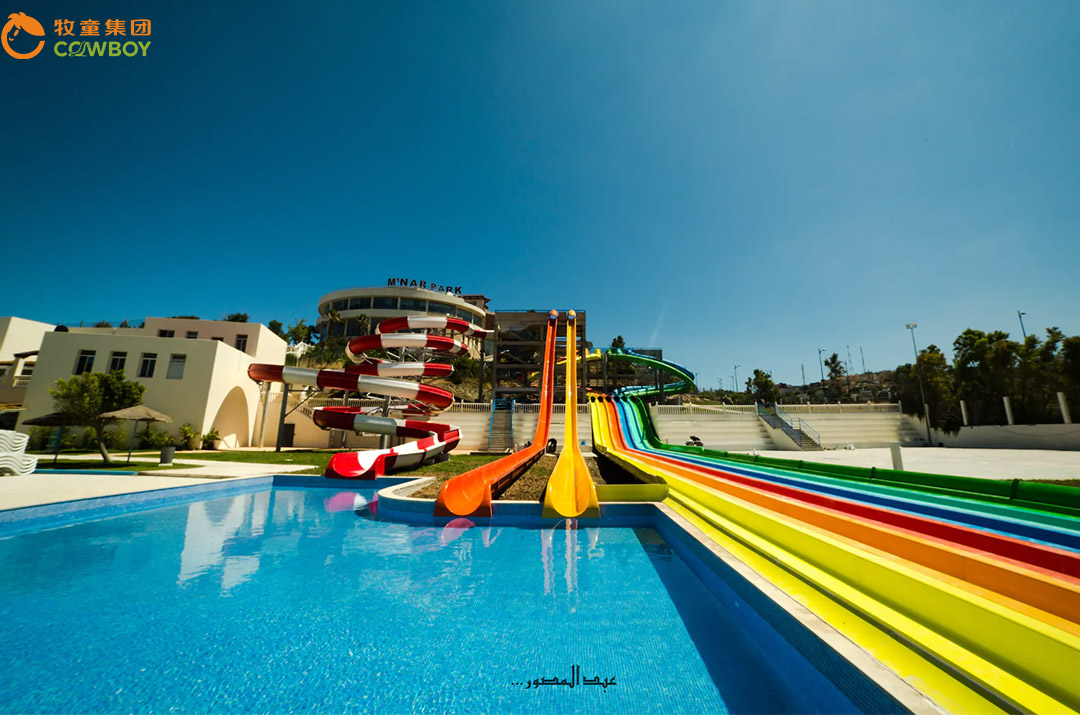
Water slides are often the main attractions in a commercial water park. Their prices depend on height, length, slide type, rider capacity, structural requirements, and manufacturing specifications.
Water slides are often the main attractions in a commercial water park. Their prices depend on height, length, slide type, rider capacity, structural requirements, and manufacturing specifications.
| Water slide type | Indicative equipment price |
| Small children’s slides | $5,000–$30,000 |
| Basic straight or open-body slides | $20,000–$80,000 |
| Medium enclosed or tube slides | $50,000–$180,000 |
| Multi-lane racing slides | $60,000–$200,000 |
| Large raft slides or complex slide attractions | $150,000–$500,000+ |
These figures may cover the slide components only, depending on the supplier’s scope. A tower, steel support structure, stairs, foundations, landing pool, and installation may be quoted separately.
What determines the price?
Height and length: Larger slides generally require more material, support structures, and engineering.
Slide design: Enclosed tubes, high-speed drops, raft rides, and multi-lane systems have different manufacturing and structural requirements.
Rider capacity: A wide raft slide needs different dimensions and operating arrangements from a single-rider slide.
Materials and finish: Fiberglass quality, surface finish, UV resistance, and manufacturing consistency affect long-term performance.
Engineering and safety requirements: Structural calculations, access systems, braking or run-out design, and applicable certifications must be considered.
A lower equipment price is not necessarily a better deal. Compare the same slide configuration, dimensions, design conditions, and supply scope before drawing conclusions.
Interactive water play structures are popular in family water parks, hotels, resorts, and mixed-age leisure facilities.
They can include spray arches, water cannons, climbing platforms, tipping buckets, small slides, and multi-level play towers.
| Structure type | Indicative equipment price |
| Small interactive spray features | $5,000–$30,000 |
| Compact children’s play structure | $30,000–$100,000 |
| Medium multi-level water play structure | $100,000–$300,000 |
| Large themed aqua play structure | $300,000–$800,000+ |
The final price depends on the number of play features, platform levels, overall dimensions, decorative elements, water effects, and the complexity of the supporting structure.
For a new operator, a medium-sized play structure can be a practical starting point. It offers several activities in one area and can serve families with children of different ages.
A children’s splash area can be one of the most flexible investments for a new water park.
Unlike a large thrill ride, it can be developed in stages and adapted to a hotel, resort, community leisure aquatic center, or family entertainment venue.
| Basic spray pad with several features | $10,000–$50,000 |
| Small themed splash area | $30,000–$100,000 |
| Medium splash area with interactive features | $80,000–$250,000 |
| Large splash zone with play structures | $200,000–$500,000+ |
A full project may also require a suitable deck or pool basin, drainage, slip-resistant surfacing, water treatment, electrical systems, shade structures, and accessible routes.
No.1 Guihua Road, Deqing Avenue, Guangqing Industrial Zone, Qingcheng Area Qingyuan City Guangdong Province China